Vol. 2 · No. 3 · April 2019
WordPress News April 2019: Core Updates, Acquisitions, and Industry Shifts
WordPress News April 2019 highlights key updates, acquisitions, business moves, and developments across the WordPress ecosystem.
April 2019 was a defining month for WordPress. The block editor was four months old and still dividing the community, WordPress 5.2 was deep in beta with a May launch on the horizon, and the first signs of major hosting consolidation were becoming visible.
Behind the scenes, plugin security was emerging as a growing concern while the commercial side of the ecosystem was quietly being reshaped by a wave of acquisitions that would define the market for years ahead.
Mergers, Acquisitions, and Investments
In April 2019, one deal was confirmed in the WordPress and web ecosystem.
GoDaddy acquired Sellbrite on April 10, 2019. Sellbrite is an eCommerce omni-channel platform that lets online sellers list and manage products across multiple marketplaces, including Amazon, eBay, and Walmart, from a single dashboard. The acquisition extended GoDaddy’s eCommerce capabilities beyond domain and hosting into multi-channel selling tools for small business owners.
WordPress Core Updates
April 2019 was all about getting WordPress 5.2 ready to ship. The release was in its final beta and release candidate phase through the month, with the core team focused on testing, bug fixes, and stabilizing features before the official launch.
- WordPress 5.2 Beta and RC Phase: WordPress 5.2 “Jaco” spent most of April in active community testing. RC1 landed on April 10 with a final release target of April 23. The release eventually shipped on May 7, 2019, after additional stabilization work in the final stretch.
- Site Health Check Tool: The standout feature heading into 5.2 was a brand new Site Health screen. It gave site owners a clear at-a-glance view of their WordPress setup, including PHP version, active plugins, and configuration issues that could affect security or performance.
- PHP Fatal Error Protection: One of the most practical additions in 5.2 was a new fatal error recovery mode. Instead of a blank white screen when a plugin or theme caused a PHP error, WordPress would now notify the admin by email and keep the dashboard accessible so the issue could be fixed without getting locked out.
- Block Editor Improvements: The April 3 Gutenberg development update covered a batch of refinements for the block editor going into 5.2. Media and text blocks were improved, image and block resizers were smoother, and a known issue with the WP_Screen::is_block_editor() function introduced in 5.0 was resolved.
- PHP Version Push: With 5.2 approaching, April saw renewed pressure on site owners to upgrade their PHP version. WordPress set the minimum to PHP 5.6.2 in 5.2, but strongly encouraged moving to PHP 7.3 for performance and security reasons.
Other WordPress News
April 2019 was a defining moment for the WordPress community. The block editor was still raw and dividing opinions, the Classic Editor plugin was surging in popularity, and the platform was navigating one of its most controversial transitions in years.
- Gutenberg Still Dividing the Community: Four months after WordPress 5.0 shipped the block editor in December 2018, community sentiment in April 2019 remained mixed. Developers, agencies, and clients were still adapting to the new editor. Many site owners were actively resisting the switch and relying on the Classic Editor plugin as a fallback.
- Classic Editor Plugin Hits 3 Million Active Installs: The Classic Editor plugin climbed to over 3 million active installs by April 2019, making it the seventh most popular plugin on WordPress.org. The number was a clear signal of how many site owners were not ready to move to Gutenberg and pushed the core team to extend the official support window for the plugin.
- Block-Based Widgets Screen in Early Development: The WordPress core team was actively working on converting the classic widgets screen to a block-based interface. April 2019 saw initial UI explorations and foundational work begin publicly on Make WordPress Core, signaling that Gutenberg’s reach would eventually extend far beyond the post editor.
- WordPress 5.2 Beta Testing Open to the Community: With RC1 on April 10, the wider WordPress community was actively testing 5.2 throughout the month. Theme developers, plugin developers, and hosting companies were running compatibility checks ahead of the official release.
- WordCamp Season in Full Swing: April 2019 saw multiple regional WordCamps running across the US and Europe. Community energy was high despite the ongoing Gutenberg debate, with contributor days drawing large numbers of first-time contributors across documentation, accessibility, and core tracks.
- Gutenberg Plugin Updates Every Two Weeks: The Gutenberg plugin was releasing updates on a biweekly cadence throughout April 2019, feeding improvements back into core ahead of 5.2. Each release focused on block editor refinements, performance, and the early groundwork for full site editing that would not arrive in core until years later.
Security Alerts and Plugin Vulnerabilities
April 2019 was an active month for WordPress security. With Gutenberg still fresh in core and millions of sites running outdated plugins, vulnerabilities were surfacing regularly across the ecosystem.
- WP Database Backup OS Command Injection: A researcher publicly disclosed a command injection flaw in WP Database Backup before notifying the developer. An attacker could inject OS commands that executed every time a backup ran. Patched in version 5.2, with Wordfence Premium protection live on April 24.
- WP Cost Estimation Plugin: Active attacks against outdated versions of this plugin were ongoing through April. The flaw was being exploited in the wild before a patch was available. Wordfence’s firewall blocked known exploits for premium users during the disclosure window.
- Blog Designer XSS Vulnerability: A cross-site scripting flaw in the Blog Designer plugin was patched in 2019, but continued to be exploited on sites that had not been updated. It later became one of the year’s most widely targeted plugin vulnerabilities in mass attack campaigns.
- Easy2Map Plugin Flagged: The Easy2Map plugin was flagged for an XSS vulnerability and later removed from the WordPress repository entirely. Sites still running it after removal had no official patch available.
- WordPress 5.1.1 Patch Rollout: The March 2019 security release, patching a CSRF flaw in comment handling, was still being applied across hosting environments in April. Sites on older builds remained exposed until the update was applied.
- Brute Force Attacks Ongoing: Wordfence reported consistently high brute force traffic targeting wp-login.php throughout April. Poorly protected admin accounts remained the primary entry point for attackers across the ecosystem.
Industry Trends and Insights
April 2019 captured WordPress at a crossroads. The block editor had just shipped four months earlier and the ecosystem was still deciding how to respond, while hosting consolidation and plugin security were shaping the commercial side of the market.
- Gutenberg Adoption Was Slow and Contested: A large portion of site owners were actively avoiding the block editor by installing the Classic Editor plugin, which had already passed 3 million installs. Agencies and developers were cautious about recommending it to clients, and the community debate around its readiness was still running hot.
- Hosting Companies Started Buying Plugins: The acquisitions by WP Engine and GoDaddy reflected a clear strategic shift. Hosting providers were moving beyond infrastructure and buying plugin and theme businesses to build bundled product offerings. It was an early signal of the consolidation wave that would define the WordPress market for years to come.
- WooCommerce Driving Commercial Growth: eCommerce on WordPress was growing steadily. WooCommerce was the default for online stores built on WordPress, and its flexibility was attracting small and mid-sized businesses moving online for the first time.
- Plugin Security Was a Growing Concern: Multiple active exploits were targeting outdated plugins. The pattern of vulnerabilities being disclosed publicly before patches were available was becoming a recognized problem, prompting more site owners to adopt managed security tools.
- WordPress Powered 33% of the Web: WordPress powered approximately 33% of all websites globally and held around 60% of the CMS market. The platform continued to grow steadily before reaching its peak market share in 2022.
- Phase 2 of Gutenberg on the Horizon: With the block editor now in core, the conversation was already turning to what came next. Full site editing and block-based themes were being discussed as the next phase, setting the direction that would shape WordPress through the mid-2020s.
Theme of the Month: Astra
Astra is one of the most widely used WordPress themes in the ecosystem, with over 2 million active installs by 2019. It was built for speed and flexibility, loading in under 0.5 seconds out of the box and working seamlessly with every major page builder, including Elementor, Beaver Builder, and Divi.
For agencies and developers, Astra’s Starter Templates library makes it easy to launch full websites quickly without having to build from scratch. Its lightweight codebase and deep customization options made it the go-to theme for both client work and personal projects across the WordPress community.
Plugin of the Month: Weglot
Weglot makes it easy to translate a WordPress site into 110+ languages without any coding. It automatically detects all site content, translates it using DeepL and Google Translate, and delivers multilingual SEO out of the box, including hreflang tags, translated URLs, and metadata.
Trusted by a growing number of websites globally, Weglot works with WooCommerce, Elementor, and Yoast SEO. A free plan covers smaller sites, with paid plans scaling based on word count and number of languages needed.
Agency of the Month: Seahawk Media
Seahawk Media is a full-service WordPress agency offering development, design, maintenance, security, and white-label services for businesses and agencies worldwide. Their team handles everything from custom builds and WooCommerce development to hacked site repair and ongoing site care.
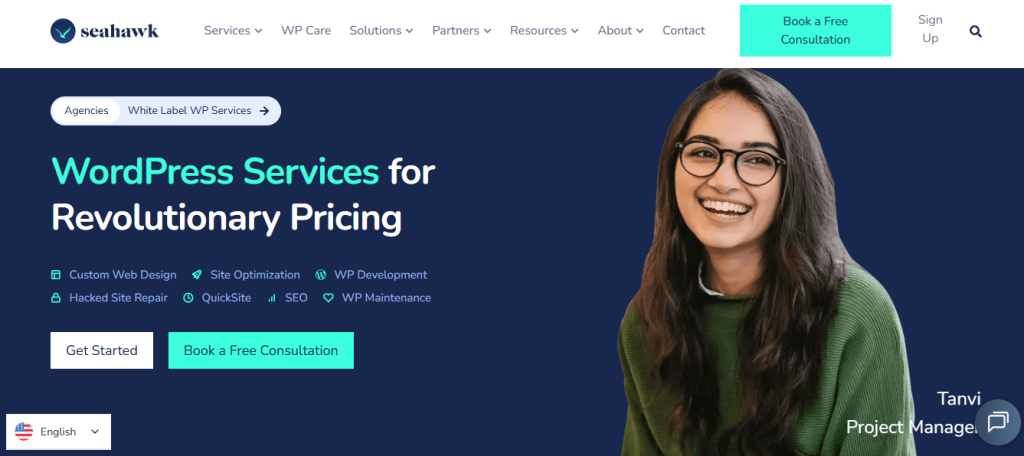
For agencies looking to scale without growing their internal team, Seahawk’s white-label program lets partners resell WordPress services under their own brand. Their broad service range and deep WordPress focus make them a dependable partner for high-volume client work.
Host of the Month: Indystack
Indystack is a managed WordPress hosting provider built for developers, agencies, and growing businesses that need reliable performance without the complexity of traditional infrastructure. It offers fast provisioning, developer-friendly tooling, and a clean dashboard designed around how WordPress teams actually work.
With a focus on simplicity and speed, Indystack gives site owners a straightforward hosting experience backed by modern infrastructure. It is a strong option for agencies and freelancers who want dependable hosting they can recommend to clients without hesitation.
Founder of the Month: Dusty Davidson
Dusty Davidson is the co-founder and CEO of Flywheel, the managed WordPress hosting company he built with Tony Noecker and Rick Knudtson in Omaha, Nebraska in 2012. Before Flywheel, the three co-founders spent years building WordPress sites for clients and grew frustrated with hosting options that were too technical and not built for designers or agencies.
By April 2019, Flywheel had grown to nearly 300 employees serving over 60,000 customers globally. The company was weeks away from its biggest milestone when WP Engine announced its acquisition in June 2019, creating the largest WordPress hosting company in the world with 125,000 combined customers.
Looking Ahead to May 2019
May brings the official release of WordPress 5.2 “Jaco,” confirmed for May 7. Site Health, PHP error protection, and block editor improvements will all reach millions of site owners for the first time.
The Flywheel and WP Engine acquisition story will also continue to unfold. With hosting consolidation clearly underway, the WordPress community will be watching closely to see what a more consolidated hosting market means for developers, agencies, and site owners.